What Is an ALTA Survey and Do You Really Need One?

Most homeowners will never need an ALTA survey. But if you are buying a commercial building, investing in a mixed-use property, or getting a loan from a commercial lender, there is a good chance one will show up on your closing checklist. Knowing what it is before that happens saves you time and confusion.
What ALTA Actually Stands For
ALTA stands for the American Land Title Association. An ALTA survey is a type of property survey that follows one set of national rules. Those rules are created by the American Land Title Association and the National Society of Professional Surveyors.
That is what makes it different from most surveys. A regular boundary survey follows state rules. An ALTA survey follows the same rules no matter what state the property is in. That is why lenders and title companies trust it.
What Makes It Different From Other Surveys
Most surveys answer one question. A boundary survey tells you where your property lines are. A topographic survey maps the land. An elevation certificate checks your flood risk.
An ALTA survey does more than one thing. It shows the property lines, the location of all buildings, easements, above-ground utilities, and access points. It gives the buyer, the lender, and the title company one clear document about the property.
It also helps the title company give you better insurance. Most title policies have a clause that leaves out problems a survey would have found. When an ALTA survey is done, that clause can be removed. That means your title policy covers more.
Who Actually Needs One
Most people buying a regular home do not need an ALTA survey. A standard boundary survey is usually enough for home buyers.
You are more likely to need an ALTA survey if you are:
- Buying a commercial building such as a store, office, or warehouse
- Buying a small mixed-use property where part of the building is used as a home and part is used for business
- Getting a commercial loan and your lender lists an ALTA survey as a requirement
- Buying vacant land to develop and your title company requires one before closing
- Combining or splitting multiple parcels in one transaction
- A business owner buying the building your company already rents
Commercial real estate activity has grown along the Highway 14 corridor and near the Daniel Pratt Historic District in Prattville. Buyers in those areas are more likely to run into ALTA requirements than someone buying a home in a regular subdivision.
What to Expect When One Is Ordered
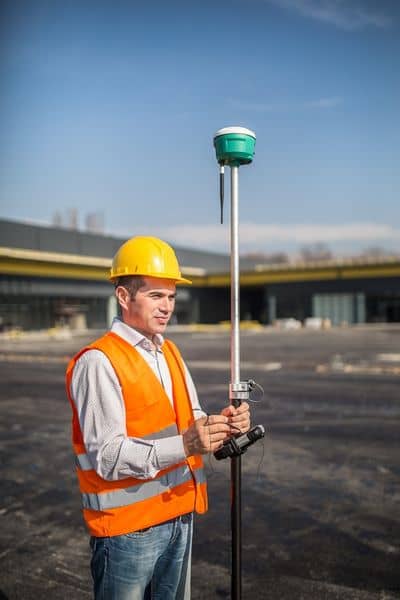
If your lender or title company says you need an ALTA survey, here is what happens.
Your surveyor starts by getting the title commitment from the title company. This document lists all recorded easements, rights-of-way, and other legal items tied to the property. The surveyor reviews each one, then goes to the property to see how those records match what is actually on the ground.
After the fieldwork, the surveyor draws a detailed map showing the boundary lines, all buildings and improvements, visible utilities, and anything that does not match the records.
The final map is signed and sealed by a licensed surveyor and sent to the buyer, lender, and title company. Most ALTA surveys take two to four weeks to finish, depending on the size of the property and how fast the title commitment comes in.
Optional Add-Ons Your Lender May Ask For
The ALTA standard has a list of optional extras called Table A. Your lender or title company may ask for some of these items depending on the property.
Common extras include the location of underground utilities, flood zone data, parking space counts, building square footage, and zoning setback details. Each one adds a little more time and cost to the survey.
Before the surveyor starts, they will give you a written list of exactly what is included. If your lender gave you a checklist, compare it to the surveyor’s list to make sure everything is covered before work begins.
What It Costs
An ALTA survey costs more than a regular boundary survey because there is more work involved. The surveyor has to review title documents, visit the property, meet every item the lender requires, and produce a certified map that follows national standards.
For a small commercial property, expect to pay between $1,500 and $4,000. The price depends on the size of the lot, how many Table A items are required, and the condition of existing records. Larger or more complex properties cost more.
That is a real cost, but keep it in proportion. An ALTA survey is usually one of the smaller expenses in a commercial closing. The protection it gives you is worth far more than what you pay for it.