
How Can an ALTA Land Survey Clarify Shared Stormwater Rights?
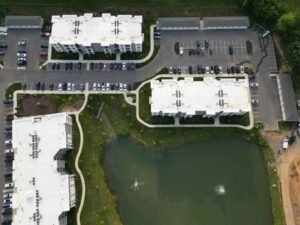
An ALTA land survey can show a lot more than lot lines. It can also show how a stormwater system connects two or more properties. Many commercial lots share a drainage pond, a pipe, or a ditch with the land next door. Buyers often miss this until it becomes a problem. A clear survey can catch it early and show who has rights to what.
Identify Recorded Stormwater Easements Affecting the ALTA Survey
Before mapping anything, a surveyor checks the paperwork. This means title documents, plats, easement papers, and any recorded drainage rights tied to the property.
These records often reveal something a site visit alone won’t show. A pond that looks like it sits fully on one lot might actually serve two properties by legal right. A pipe running under a parking lot might be tied to a shared drainage deal signed years ago.
This comes first because it shapes everything after it. Once the surveyor knows what rights exist on paper, the fieldwork can focus on the right spots.
Map Shared Drainage Features Across Property Boundaries
Once the paperwork is clear, the survey turns to what’s actually on the ground. This includes detention ponds, drainage channels, inlets, pipes, and swales, which are shallow ditches built to move water.
Some of these features sit fully inside one lot. Others cross the line and serve more than one property. An ALTA survey maps both kinds, showing exactly where each feature sits in relation to the boundary.
This step gives buyers a real picture, not a guess. A pond drawn on an old site plan might not match what’s actually built. The survey settles that question with real measurements.
Compare Stormwater Rights With Access and Maintenance Areas
Owning land near a shared drainage system often comes with a catch. Other parties, like neighboring owners, a homeowners association, the city, or a utility company, may have the right to enter the property for inspection or repair work.
A survey can show where these access rights apply. That might mean a strip of land along a drainage channel, or a defined area around a pipe or inlet. Knowing this in advance helps a buyer understand what parts of the property aren’t fully private.
This matters most when planning any changes to the site. Building over an access easement, even by accident, can create real problems down the line.
Show Where Shared Stormwater Rights May Affect Future Improvements
Shared drainage easements don’t just limit access. They can also shape where new buildings, parking lots, or driveways can go.
Say a planned building addition would sit partly inside a mapped drainage easement. That’s a conflict worth catching before construction starts, not after. A completed ALTA survey shows these boundaries clearly, so design teams can work around them from day one.
This isn’t about general property due diligence. It’s specifically about how stormwater rights shape what can be built and where.
Coordinate ALTA Survey Findings With Title and Development Documents
A survey means little on its own if it doesn’t match the paperwork behind the deal. This compares the survey’s findings with title exceptions, drainage agreements, site plans, and other transaction documents.
If the title report lists a drainage easement but the survey doesn’t show it clearly, that gap needs a closer look. If a site plan shows a pond in one spot but the survey shows it somewhere else, buyers need to know before closing, not after.
This final check gives everyone involved, buyers, lenders, and project teams, a shared understanding of which stormwater rights actually apply to the property.
Frequently Asked Questions
Can an ALTA land survey show shared stormwater easements?
Yes. An ALTA survey can show recorded easements and visible drainage features when the surveyor has the right title documents and the survey scope covers them.
What are shared stormwater rights?
Shared stormwater rights are recorded rights or duties tied to drainage systems that serve, cross, or benefit more than one property.
Why do shared stormwater rights matter before buying commercial property?
They can affect who is responsible for upkeep, who has the right to enter the property, and where new buildings or parking areas can be placed on the site.
Who usually pays to maintain a shared stormwater system?
This depends on the recorded agreement tied to the property. Some deals split the cost between owners, while others place full duty on one party or a homeowners association.
Can shared stormwater rights change after a property is sold?
The rights themselves don’t usually change just because ownership changes. New owners typically take on the same recorded rights and duties as the previous owner, unless the agreement says otherwise.
For a free land surveying quote, call us at (334) 625-9540 or send us a message by going here.
Posted in Alta Survey | Tagged Alta Survey